Surprising Help for Everyday Challenges
Neurodevelopmental challenges may not show up the ways you expect.
What do Christian beliefs teach us about how we treat children who may never be “normal”?

Pioneers in the field of neurodevelopment worked with hurt children because they saw and believed in innate possibilities. They had high hopes for the kids they worked with, and they saw amazing results from hurt children and typical children alike.
But what about when therapy stops progressing? What about the children with severe genetic diseases who will never be able to contribute positively to society? What about adults with severe cerebral palsy who spend their entire lives wheelchair-bound with a caregiver keeping a night watch to suction their airway? What about the children who lag behind in school and will never attain anything their peers manage?
What is the purpose, or the goal, or even the reason to continue therapy when we don’t know if this one will ever progress – or worse, we’re convinced that they won’t? Neurodevelopment and other therapies provide powerful tools to work toward normal and healthy function, and we hope and pray and work toward that goal. But for Christians, I believe that progressing toward “normal” cannot be the sole motivator behind neurodevelopment or any other therapy. A biblical perspective on personhood has to provide the foundation for the continual and often discouraging work of dignity, compassion, and mercy.
Hurt children do not bring value to society because of their potential. Hurt children have value because God created them in his image, a fact that imbues humanity with innate dignity. Regardless of potential or of positive contribution to society, humans – the brain-injured or brilliant, the stuck or successful, the abused, the neglected, the charming, the delinquent, the
delightful, the ridiculous – all hold innate and infinite value because they bear the image of God.
Despite their infinite value, humans are also broken. And to a dark and broken world, Christ
came and lived and took care of very earthy needs with a very earthy compassion. Encountering
a grieving widow whose only son had died, his heart went out to her and he said, “Don’t cry,”
and he brought the dead son back to life to give to his mother (Luke 7:13). Time and time again,
he healed people with a physical touch, a demonstration of intimate compassion. Following the
example of Christ, we have endless opportunity to show compassion toward the physical needs
of the grieving and wounded around us.
The Bible consistently shows concern for the orphan, the widow, and the stranger. And Jesus
consistently shows compassion for the women, the children, the paralyzed, the outcasts – the
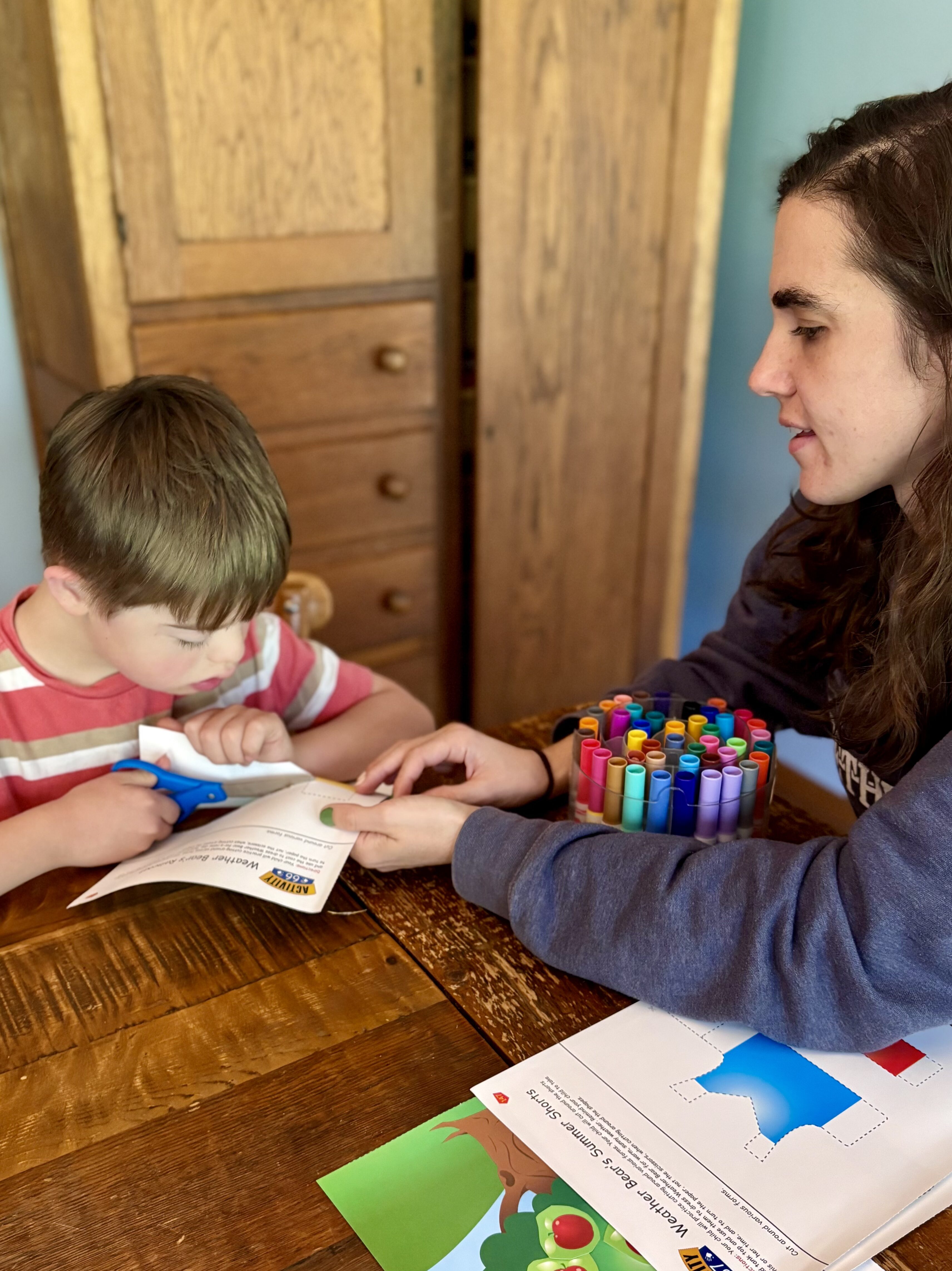
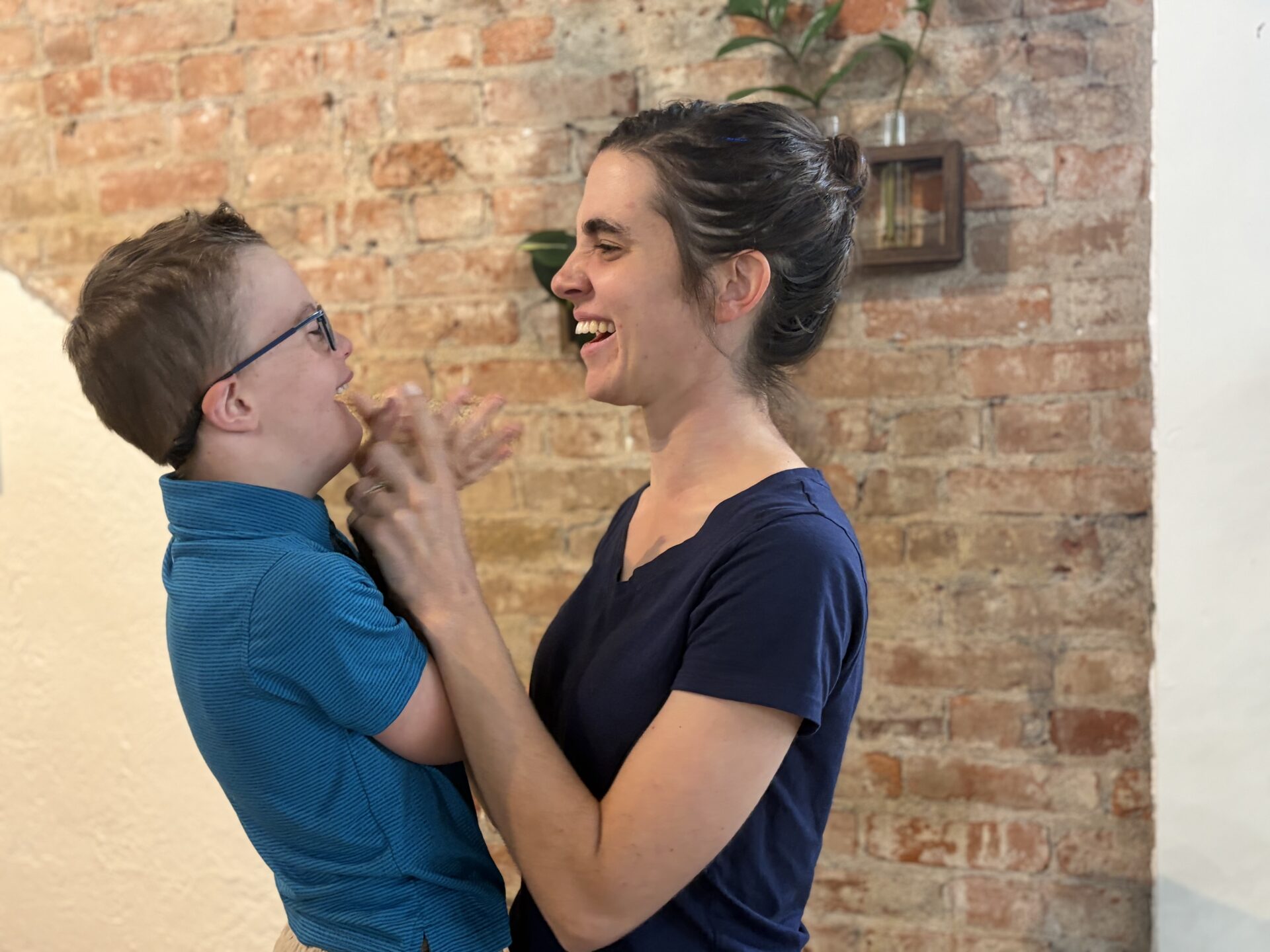
vulnerable and the throw-aways. In taking the time to pour dignity into a 15- year old who can’t speak or an 8-year old with a seizure disorder or a child with Down Syndrome who will never be
truly independent, we seek to reflect the heart of Christ, even the heart of the Father.
And for those exceptionally hard kids, the obnoxious ones, the mean ones, the obstinate ones,
Christ came for those just like he came for the rest of us. Neither neurodevelopment nor any
other therapy saves souls. But as we promote dignity and show compassion, we hopefully
mirror the surprising love of God for the helpless, and sometimes, for the unlovable.
In a never-ending work with the hurt and the injured and the vulnerable, we encounter
heartbreaking, sometimes futile, sometimes joyful work – and we continue because God,
through Christ, loved them and loved us.