Surprising Help for Everyday Challenges
Neurodevelopmental challenges may not show up the ways you expect.
A guide to the process of getting an evaluation and what happens next.
Want to save this article to print? Download it here.
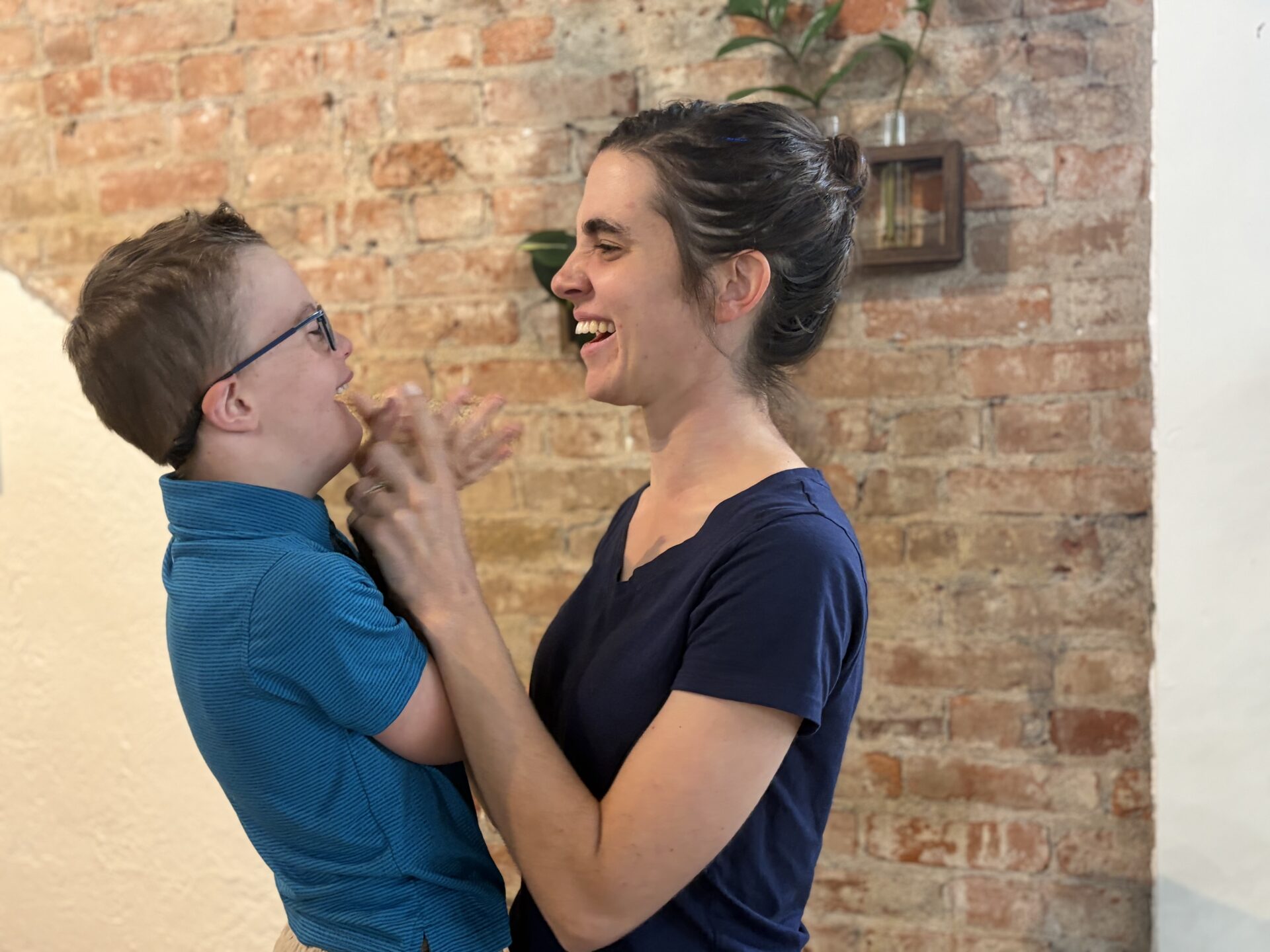
MIND offers help for families and individuals struggling with academics, behavior, and development, whether because of learning disabilities, dyslexia, ADHD, or undiagnosed difficulties.
For more serious dysfunction, MIND can provide references to colleagues who work with developmental disability, Autism Spectrum Disorder, Down Syndrome, chromosome disorders, seizures, cerebral palsy, and brain injury.
My model is based on research from the field of neuroplasticity and brain development. We look for the gaps in development that could be contributing to all kinds of functional difficulties. Then we address those gaps, with the understanding that input to the brain changes not only its function, but the brain’s actual structure.
The process looks like this:
Free Consultation
Before you commit time and resources to the process, feel free to schedule a consultation to learn more. Ask questions, learn how neurodevelopment can be used to improve academics, development, social skills, or behavior, and decide whether an evaluation would be useful for your families’ specific needs.
Neurodevelopmental Evaluation
Before the first evaluation, you’ll fill out a history form for yourself or your child. This form requests fairly detailed information, some of which you may find in baby books, old calendars, or medical reports. It takes some time to fill out, so it’s best to do it at home. You can find the form linked on the resources page on the MIND website.
An evaluation takes approximately one to three hours, depending on your needs, your child, your questions, and your concerns. I start by reviewing your history form and then I evaluate function. I ask a lot of questions, test reflexes, observe fine and gross motor skills, gauge visual and auditory processing, assess hand / eye / ear / foot dominance, evaluate oral motor skills as necessary, and note expressive and receptive language. I look at the possible effects of these functions on behavioral and social skills, as well as performing some academic testing.
Ideally, it’s helpful to have one or both parents present and engaged in the evaluation. Your input can provide valuable information for me as a developmentalist, and the ongoing conversation can be insightful and even surprising. You as a family are encouraged to ask questions and take notes.
Program Design
After the evaluation, I send your evaluation profile, a summary of your evaluation, and the history form as needed, to master level neurodevelopmentalist Cyndi Darling. Cyndi’s business, CAN-DO, is part of the International Christian Association of Neurodevelopmentalists, or ICAN. Cyndi is my colleague and mentor, and she contracts with me to write home programs for my clients, designing a program specified to your family based on the results of my evaluation and your input. As needed, I may send the information to a different ICAN developmentalist if Cyndi is unavailable.
Your family’s circumstances, ability, and time help to determine the size and length of your home program. As desired, as part of the program, Cyndi also offers a complete homeschool program tailored to your child’s specific needs, or a program designed to complement a private or public school education.
Program Teaching
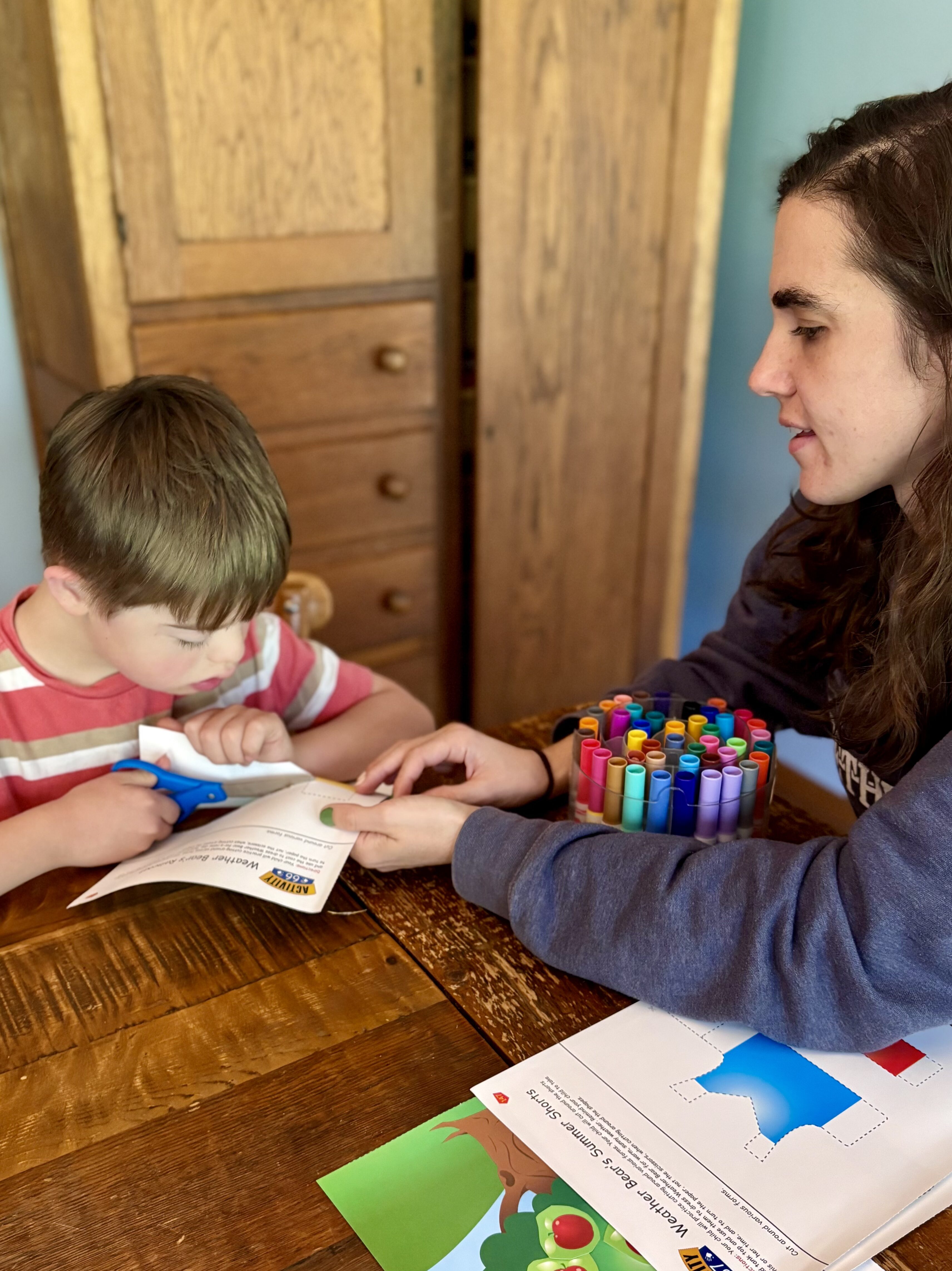
As soon as possible after the evaluation, I send you your program, and we schedule again to walk through it. Ideally we would meet in person, but exceptions are possible. This second meeting allows me to teach you your program exercises, point out equipment or resources as needed, and walk through the frequency (number of times per day) and duration (in minutes) of each activity. Generally, I teach this session, but as needed, I may have a qualified colleague step in.
Home Program
ND programs are generally intended to be done five days per week (seven days for select activities). I recognize, as do most families, that this is ideal but not probable. Five days is optimal, but families have seen progress even by working three days a week. The general rule is that twenty minutes daily is better than three hours once a week, or five hours only once.
Program Support
During the four months between evaluations, I am generally available during normal business hours through phone call or email. If I’m not available, I’ll do my best to follow up with you within a reasonable time frame.
I encourage you to reach out for advice when you have questions, especially during your first program. First time programs can be legitimately overwhelming and it’s easy to forget details. It’s especially important to reach out for help if anything concerns you about the way things are going.
Follow-up Evaluations
Re-evaluations are important in order to keep the program current and your child progressing. A program from two years ago will not likely match your child’s current needs. We base our evaluation cycles on trimesters, and typically schedule your four-month revisit evaluation at the end of an evaluation or program teaching session.
For follow-up evaluations, I request you to fill out a follow-up form, linked on the MIND website. After the revisit we repeat the process – you will receive a new program based on updated information, and we will schedule another teaching session.
My colleagues and I encourage families to give the evaluation and program cycle at least one year. We want you to give reasonable opportunity for the brain both to respond and to maintain new skills. For a free consultation or to set up your first appointment, check out the contact page on MIND’s website. We’re so excited to help.
Program activities are recommendations only and are not medical, therapeutic, or psychological prescriptions. They are based on the experience of neurodevelopmentalists and represent our suggestions to the family. Every parent needs to assume the responsibility for their own child and make their own decisions as to which specific techniques and methodologies they wish to utilize with their child. Megan Greenwell is licensed to practice massage therapy, but does not, nor is licensed to, practice any other branch of medicine or psychology. If medical or other licensed professional advice is needed, the family is urged to consult a licensed physician or other licensed professional.